
If droppings are appearing in your kitchen or near your food storage, it’s a red flag. Finding signs of rodents, like small pellets or greasy streaks along walls, shows that they’re more than just an occasional visitor. At this point, it’s not enough to rely on traps or DIY remedies. Rodents can carry diseases and cause structural damage, so ignoring these early warning signs can escalate into a bigger headache down the road.
Hearing scratching sounds at night? It could be the moment you realize your attempts to manage the issue aren’t cutting it. Mice are nocturnal, so their activity tends to peak when the house is quiet. If your DIY methods aren’t working or you’re seeing an uptick in these noises, it’s likely time to consider reaching out to someone who has the experience and tools to handle the situation properly. Letting the issue linger can result in more harm than it’s worth.
Another indicator? Finding nests made from shredded paper, fabric, or insulation tucked away in hidden spots. This shows that rodents are settling in, which means it’s more than just a random intruder here and there. And once they’re comfortable, it’s a lot harder to get them to leave. At this point, professional intervention might be the most efficient and long-term solution.
Persistent Droppings in Multiple Areas
If droppings are consistently appearing in various spots throughout the home, it’s a clear indication of a widespread problem. Finding these fecal marks in different rooms or hidden areas like behind furniture, in cabinets, or under appliances suggests that a significant number of rodents are active. The longer the issue persists, the more difficult it becomes to fully control the situation without outside intervention. Droppings can also help identify the scale of the problem – the more scattered and numerous they are, the larger the rodent population likely is.
Look closely at the droppings’ size and shape, as this can help determine the type of pest involved. Smaller, black pellets usually belong to rodents, and they often cluster near food sources, entry points, or high-traffic areas. If the droppings are visible in multiple parts of the house, particularly in unexpected places, it suggests a deeper issue with sanitation and control that won’t resolve on its own.
Ignoring these signs can lead to a more severe situation, where not just the pests but also the potential health risks they carry, like bacteria or diseases, increase. Immediate action becomes more necessary as the infestation grows, especially since rodents can reproduce rapidly. If this seems to be the case, and the problem persists despite cleaning efforts, it’s likely time to look at a more thorough solution.
Strange Noises at Night in Walls or Ceilings
If scratching, squeaking, or scurrying sounds are disturbing your sleep, it might be more than just an odd occurrence. These noises, especially at night, often come from critters moving around in hidden spaces. It’s not uncommon for rodents to use walls, ceilings, and attics as a safe haven to travel and nest, particularly after dark when the house is quiet.
Listen closely. The noise could be anything from the occasional soft scratch to a constant rustling. Often, it’s the sound of rodents chewing, digging, or scampering along wires and beams. In some cases, you may even hear them gnawing on insulation, drywall, or wood. While this may seem minor, over time, it can cause damage to your home’s structure.
Here’s what to do if the noises persist:
- First, try to locate the source of the sounds. Are they coming from a specific area, like a wall or attic? This can help narrow down the problem.
- Inspect your home for small openings or holes, especially around vents, pipes, and cables. Rodents can fit through surprisingly tight spaces.
- Check for droppings or signs of nesting material near the walls or ceilings. These are often good indicators that something is living in your home.
- If the sounds are louder at night, it might be worth setting up a camera or microphone to record them. This can give a clearer idea of what’s going on when you’re not around.
If you feel the situation is escalating or if damage is noticeable, it might be time to get the right people involved to assess the problem. Rodents can carry diseases and cause structural harm if not dealt with quickly. Even though the noises may not seem severe, the longer they’re ignored, the more costly the repairs could be.
Visible Gnaw Marks on Furniture or Wiring
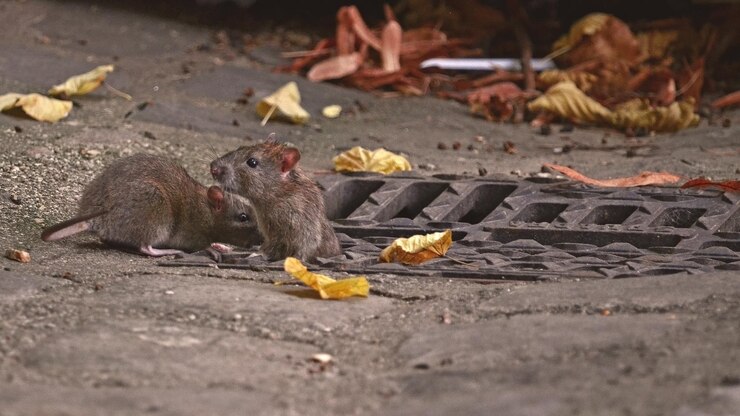
If you spot visible gnaw marks on furniture, baseboards, or wiring, it’s time to take immediate action. Rodents have an instinctive need to gnaw on hard materials to keep their teeth from growing too long. They’ll often target wood, plastic, and even electrical wires, which can pose serious risks. For example, chewed wires can lead to potential fire hazards.
Common signs include small bite marks or areas where the surface has been scraped away, particularly near corners or in hidden spaces. If you notice any exposed wiring or materials near your appliances or electrical systems with bite marks, it’s a serious concern. Be cautious: gnaw marks around outlets or switches can signal that rodents are nesting nearby, possibly even inside walls or ceilings.
At this stage, the damage can escalate quickly, so it’s a good idea to contact experts like The Pest Control Guy on yumlist.ca to inspect and take action before the problem spreads further. The team can help eliminate the source of the damage and repair any compromised wiring that might lead to bigger issues.
Ignoring gnaw marks could lead to more serious problems down the line, like short circuits or even a fire risk. If you want to read more about how to stay ahead of these issues, check out letterboxd.com about The Pest Control Guy. It’s worth understanding how quickly these creatures can cause chaos if left unchecked.
Unpleasant Odors That Won’t Go Away
If a persistent, musty or pungent smell seems to linger in your space, it could be a result of unwanted rodents. These creatures often leave behind a strong scent that doesn’t dissipate easily, even with regular cleaning or ventilation. The odor is typically caused by their urine, droppings, or even the presence of their nests. These smells are especially noticeable in hidden areas like walls, ceilings, or under appliances where they might have been active.
Why the Smell Persists
The main culprit for the stench is the urine of rodents. It has a distinctive ammonia-like smell, which is not easy to eliminate. As the urine dries, it can soak into walls, furniture, or carpets, leaving an enduring trace. In some cases, dead rodents can also contribute to the unpleasant scent. As their bodies decompose, they release a particularly foul smell that can linger for weeks, if not longer.
What To Do About It
It’s not enough to simply air out the space. A deep cleaning of all surfaces and potential hiding spots is necessary. If the odor is particularly strong or widespread, it might be time to address the problem more thoroughly. Using specific cleaning agents that break down the proteins in rodent urine can help. However, if the smell is coming from inaccessible areas, like within walls or ventilation systems, the situation often requires more extensive intervention. This could involve sealing up entry points, removing nests, or even replacing insulation that’s absorbed the scent.
Spotting Rodents During Daylight in Busy Areas
If rodents are visible during the day in places where people frequent, it’s a clear sign that the situation has escalated. Normally, these animals are nocturnal, sticking to the shadows and avoiding human activity. Seeing one dart across a hallway or scurry past the kitchen counter while you’re preparing dinner suggests that the colony may be large, or they’ve run out of hiding spots.
Rodents are experts at staying out of sight, so if they start showing themselves in high-traffic spaces, it means their nests have likely become overcrowded, or they’ve grown bold from an abundance of food and shelter. It could also signal that the current conditions are too comfortable for them to be concerned with hiding.
Here are a few things to consider:
| Possible Issues | What This Means |
|---|---|
| Increased Activity During the Day | The population has likely grown. A few animals aren’t enough to risk venturing out during daylight. |
| Regular Sightings in Common Areas | The nest could be closer to these zones than you think, or they’re actively searching for food and water. |
| Visible Rodents in Kitchens or Living Rooms | It’s possible that food sources are plentiful and their comfort level has gone up. |
If you catch one of these creatures during the day, it’s worth acting quickly. The more visible they are, the more you can expect to see them in the future. It might just be a few, but it’s often a precursor to much bigger issues.
Inability to Control the Situation with DIY Methods
If the usual tricks aren’t cutting it, and you’ve tried everything from traps to repellents, it might be time to face facts. DIY methods can work in some cases, but they’re rarely a match for a more serious issue. For instance, if traps go untouched or you’re still hearing sounds in the walls after weeks of trying to manage things on your own, it’s a clear sign that your approach isn’t enough.
DIY Approaches Not Yielding Results
- Traps: When traditional mouse traps aren’t getting any action, it might indicate that the colony is larger than you think, or the mice are too cautious to fall for basic setups.
- Repellents: Sprays or ultrasonic devices often promise to drive away pests. However, if the rodents keep showing up despite these methods, they’re probably not effective against the scale of the issue.
- Sealing Entrances: Closing off gaps or holes is important, but if these simple fixes don’t seem to stop the problem, it may mean that there are too many entry points to cover on your own, or the infestation is already well established inside the property.
Persistent Signs Despite Your Efforts
Another sign that DIY is no longer sufficient is when you still notice droppings, gnaw marks, or chewed items, even after trying to implement all the recommended methods. It’s also not uncommon for people to spot rodents during daylight hours, despite attempts to remove food sources or set up deterrents. This suggests that the animals are no longer hiding in the shadows and are feeling secure enough to act openly, which can be problematic.
So, if the usual solutions aren’t doing the job, it might be time to consider other options. The situation may have escalated beyond the capabilities of off-the-shelf products, requiring more advanced techniques to resolve the issue fully. It’s not always easy to admit, but sometimes those DIY efforts just won’t cut it.