Global trade has transformed the way businesses move goods across borders, creating a strong demand for efficient and affordable logistics solutions. Among the many cost components involved in shipping, consolidation charges play an important role in determining the overall expense and efficiency of cargo transportation. For companies involved in international trade, understanding consolidation charges is essential for managing shipping budgets, improving supply chain performance, and maintaining competitive pricing in global markets.
Consolidation charges refer to the fees associated with combining multiple smaller shipments into a single larger shipment handled by a logistics provider or freight forwarder. Instead of shipping goods individually, multiple consignments from different customers are grouped together and transported as one consolidated load 集運費用. These charges cover the operational processes required to collect, organize, handle, store, and prepare cargo for shared transportation. Although they represent an additional cost category, consolidation charges often lead to overall savings when compared to shipping goods independently.
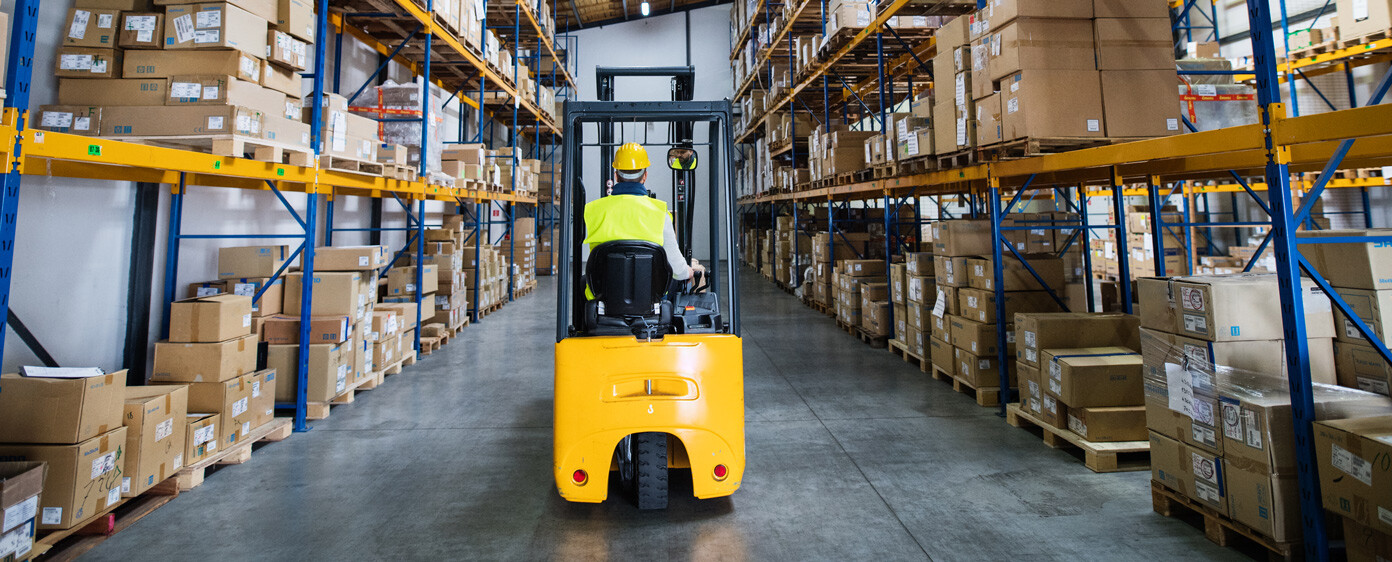
One of the primary reasons consolidation charges exist is the need for coordination and handling at consolidation warehouses. Logistics providers receive shipments from different suppliers, inspect cargo, verify documentation, and arrange goods in a manner that maximizes container or cargo space utilization. This process requires skilled labor, specialized equipment, and secure storage facilities, all of which contribute to consolidation-related expenses. The charges reflect the value of these professional services that ensure shipments are organized efficiently and safely.
For small and medium-sized businesses, consolidation charges are often outweighed by the financial benefits of shared shipping. Booking an entire shipping container can be expensive, especially when a company does not have enough cargo to fill it. Through consolidation, businesses pay only for the space their goods occupy while sharing transportation costs with others. Even after consolidation charges are applied, the total shipping expense is typically lower than arranging individual freight shipments.
Another important aspect of consolidation charges is cargo handling and packaging optimization. Logistics providers often repackage or reorganize shipments to protect goods during transit and ensure compatibility with other cargo. Proper packaging reduces the risk of damage, improves safety standards, and ensures compliance with international shipping regulations. The charges associated with these services contribute to higher shipment reliability and reduced loss risks.
Documentation management also forms a significant part of consolidation charges. International shipping requires accurate paperwork, including bills of lading, customs declarations, and regulatory compliance documents. Consolidation providers prepare and verify these documents for multiple shipments simultaneously, simplifying the process for individual businesses. This administrative support saves time and reduces the likelihood of customs delays or penalties, making consolidation an attractive option for companies unfamiliar with complex trade procedures.
Consolidation charges vary depending on several factors, including shipment size, cargo type, destination, transportation mode, and service level. Air freight consolidation may involve higher charges due to faster handling and stricter security requirements, while sea freight consolidation often offers lower costs due to larger cargo capacities. Additionally, fragile or hazardous goods may require special handling procedures, which can influence the overall consolidation fee structure.
Transparency in consolidation charges is an important consideration for businesses selecting logistics partners. Reliable freight forwarders provide clear breakdowns of costs, helping customers understand what services are included. Transparent pricing allows companies to compare shipping options effectively and plan logistics budgets with confidence. Hidden or unclear fees can create financial uncertainty, so businesses are encouraged to work with providers that prioritize open communication.
Technology has significantly improved how consolidation charges are calculated and managed. Modern logistics platforms use digital tracking systems, automated billing tools, and real-time cargo monitoring to streamline operations. Customers can now access shipment updates, cost summaries, and performance data through online dashboards. This digital transformation enhances efficiency while providing greater visibility into how consolidation charges contribute to the overall shipping process.
Environmental sustainability is another area where consolidation charges indirectly provide value. By combining shipments, logistics providers reduce the number of partially filled containers and transportation trips. This leads to lower fuel consumption and decreased carbon emissions. Businesses focused on environmentally responsible operations often view consolidation as a strategic approach to reducing their environmental footprint while maintaining efficient supply chains.
Despite the advantages, businesses must understand how consolidation schedules affect delivery timelines. Since shipments must wait until enough cargo is gathered for consolidation, there may be slight delays compared to direct shipping methods. However, most logistics providers operate regular consolidation schedules that balance efficiency with timely delivery. Planning shipments according to these schedules allows businesses to maximize cost savings without significantly affecting supply chain performance.
Industries such as retail, manufacturing, electronics, and e-commerce rely heavily on consolidation services. Online sellers shipping smaller product quantities to international markets benefit greatly from shared logistics solutions. Consolidation charges enable these businesses to access affordable global shipping while maintaining competitive pricing for customers. As cross-border e-commerce continues to expand, consolidation services are becoming an essential component of modern logistics strategies.
Effective communication between shippers and logistics providers helps optimize consolidation costs. Accurate cargo information, proper labeling, and timely delivery of goods to consolidation warehouses ensure smooth operations. When shipments arrive prepared and compliant with requirements, handling becomes faster and more efficient, potentially reducing additional fees or delays.
The future of logistics suggests that consolidation charges will remain a fundamental part of freight management. Increasing globalization, growing consumer demand, and rising transportation costs encourage businesses to seek collaborative shipping solutions. Logistics companies are investing in advanced warehousing systems, automation technologies, and global networks to enhance consolidation efficiency and provide better value to customers.